


A lot of personal finance books seem to assume you already enjoy personal finance.
They open with compound interest charts, aggressive budgeting systems, or a tone that suggests tracking grocery expenses is a thrilling recreational activity.
If you are someone who finds finance stressful, boring, intimidating, or vaguely guilt-inducing, that approach usually backfires.
The good news is that there are actually some excellent beginner-friendly finance books that feel more like conversations and less like being trapped in a PowerPoint presentation about debt ratios.
This list is for people who:
You do not need to become obsessed with finance to get better at it.
You just need a few ideas that actually stick.
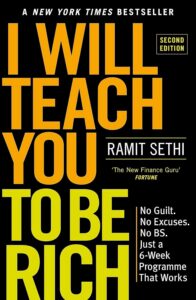
This is probably one of the best starting points for people who hate traditional finance advice.
Despite the aggressively terrible title, the book is surprisingly practical, funny, and realistic about how humans actually behave with money.
Ramit focuses less on extreme frugality and more on:
It feels modern, conversational, and designed for people who do not want money management to become their entire personality.
Best for:
Official site: Ramit Sethi
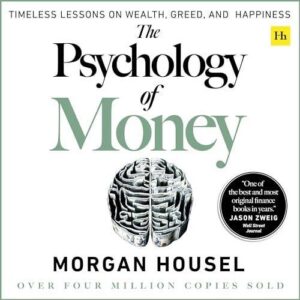
This is less of a “how to budget” book and more of a “why humans do strange things with money” book.
Which honestly makes it more useful for many people.
Morgan Housel explains financial behavior in a calm, readable way that avoids jargon overload. The book focuses on:
It is one of the rare finance books that people finish and then immediately recommend to friends who normally avoid finance books.
Best for:
Official site: Morgan Housel

This book has been around for decades, but it still hits surprisingly hard.
Instead of treating money as a status game, it asks a different question:
“What kind of life are you actually trying to build?”
The book focuses on:
Some parts feel a little more philosophical than tactical, but for many readers that is exactly why it works.
Best for:
Official site: Vicki Robin
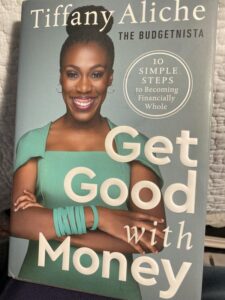
This one is extremely approachable.
Tiffany Aliche explains money concepts in a way that feels encouraging instead of punishing, which is rarer than it should be in personal finance.
The book covers:
without making readers feel ashamed for not already knowing everything.
It is practical, warm, and especially good for people starting from scratch.
Best for:
Official site: The Budgetnista
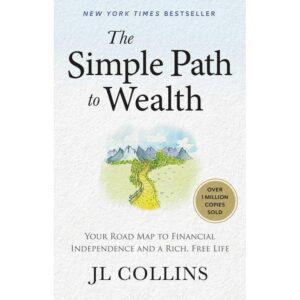
If investing feels like a chaotic swamp of acronyms and conflicting advice, this is one of the clearest beginner books available.
JL Collins explains investing in an unusually calm and straightforward way.
The core message is basically:
The book is especially good for beginners who feel intimidated by investing culture.
Best for:
Official site: JL Collins
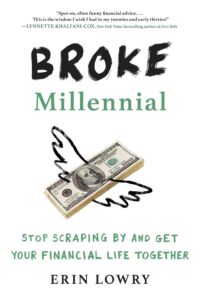
This is one of the better “I genuinely do not know where to start” books.
It covers:
without sounding condescending.
It also talks openly about the emotional weirdness around money, which many beginner finance books skip entirely.
Best for:
Official site: Erin Lowry
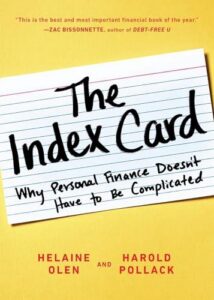
The premise is beautifully simple:
most essential personal finance advice can fit on an index card.
That simplicity is honestly refreshing.
The book pushes back against overcomplicated financial systems and focuses on:
It is short, practical, and great for readers who immediately lose the will to live when finance books become too technical.
Best for:

A good beginner finance book usually does a few things well:
The bad ones often assume motivation alone will solve everything.
The better ones understand that sustainable money habits usually come from making finances feel less frightening and less exhausting.
If you only pick one:
Honestly, any of those are solid entry points.

You do not need to become a “finance person” to improve your finances.
You do not need to memorize stock terminology, optimize every purchase, or start speaking in mysterious podcast phrases about passive income streams while holding a steel water bottle.
You mostly need:
That is it.
And the right finance book can help a lot with that.
YOUR FREE FINANCIAL PLAN
Are you ready to invest in your future? Build your free plan today.
Start now
Low housing prices. Lower taxes. Lower monthly costs. A slower pace of life. Maybe a suspiciously affordable lakeside condo smiling at you from a real estate listing like a trap in a fairy tale. And to be fair, affordability matters. A lot.

Track every category. Review every receipt. Color-code your life. Become the kind of person who enjoys looking at bank statements on a Sunday. For most people, that version does not stick. Not because they are bad with money. Because the setup is too fussy, too time-consuming, or too annoying to survive real life. A beginner budget does not need to be perfect. It needs to be usable.

Track every category. Review every receipt. Color-code your life. Become the kind of person who enjoys looking at bank statements on a Sunday. For most people, that version does not stick. Not because they are bad with money. Because the setup is too fussy, too time-consuming, or too annoying to survive real life. A beginner budget does not need to be perfect. It needs to be usable.